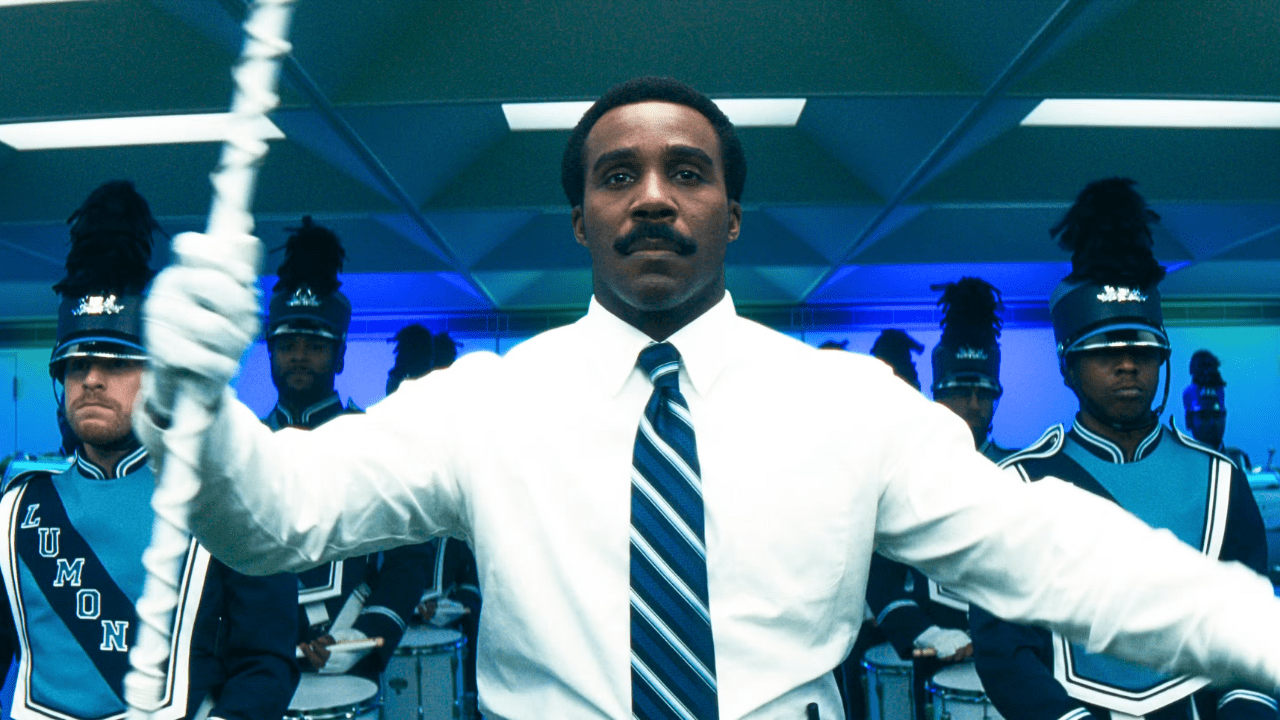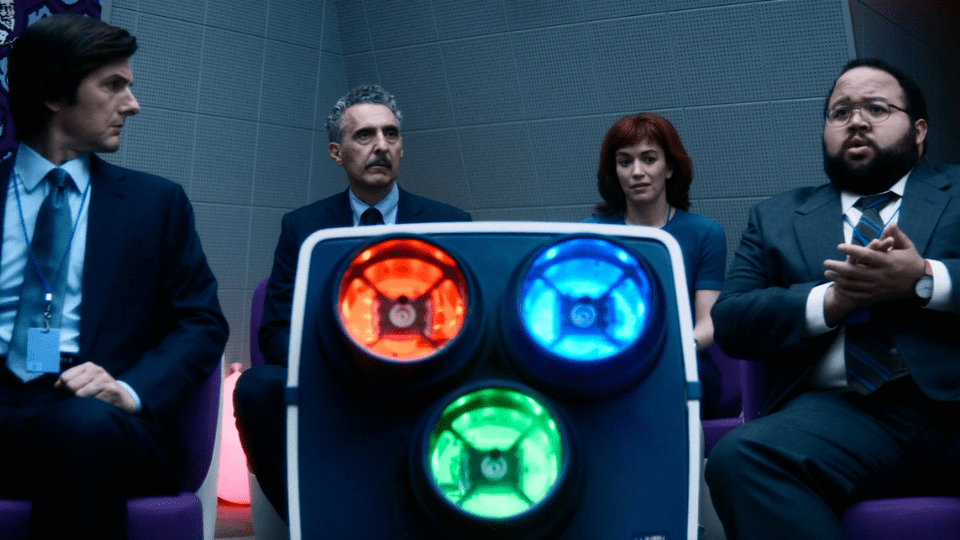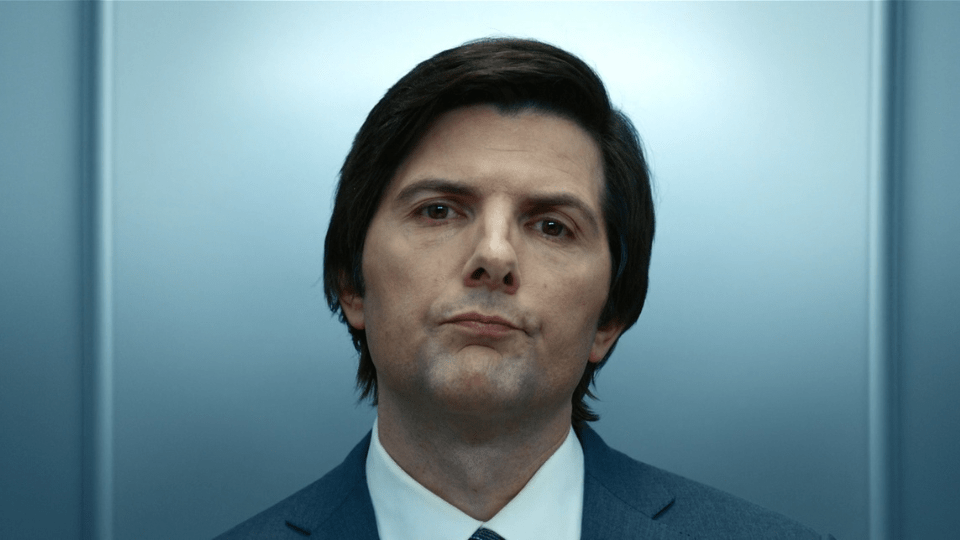
At first glance, Lumon Industries looks like a tech-forward megacorporation with its own dark secrets. But the deeper you go into Severance, the more it becomes clear: Lumon doesn’t just operate like a business, it operates like a religion. From sacred texts to relics, rituals, and even saints, Lumon mirrors the structure of a full-blown spiritual belief system. And at the heart of it all? Kier Eagan, not just a founder, but a prophet.
Kier Eagan: The Messiah CEO
Kier isn’t just referenced in hushed tones, he’s depicted in iconographic poses, often painted like a spiritual savior. Employees are taught to revere him as the origin of truth and morality. The company handbook, much like a Bible, lays out Kier's philosophies in rigid detail. The language is overtly paternalistic, employees are referred to as his “children,” and their obedience is framed as devotion. It’s not just workplace policy, it’s dogma.
Even the current CEO calls Kier “The Grandfather,” a messianic title despite being family that extends beyond typical corporate legacy speak. What we’re seeing isn’t succession, it’s inheritance of power.
Cobel the Disciple
If Kier is the deity, Ms Cobel is his high priestess. Her shrine-like home, austere and minimally furnished, echoes a monastic lifestyle. The plaited hair, the simple white nightgown, the reverence with which she handles Petey’s Severance chip like a rosary, it’s not subtle. She doesn’t just work for Lumon. She worships it. Her actions i.e. spying on employees, enforcing rituals, living in secrecy, all suggest a level of devotion that borders on fanaticism. She’s not a corporate manager. She’s a cult leader in a quiet suburban disguise. Rituals, Relics, and Pilgrimage
Then there are the events themselves: the Waffle Party, the visit to the Perpetuity Wing, and Season 2’s Ortbo in Woe’s Hollow. These aren’t just perks or team-building outings, they’re ritualistic ceremonies. The Waffle Party is a bizarre blend of kink, religion, and reward system. The Perpetuity Wing functions like a saint’s hall of relics, honoring Kier and his lineage. The Ortbo in Episode 4 of Season 2 is essentially a pilgrimage, an almost sacred journey employees undertake, surrounded by nature, myth, and mystery.
Each of these moments serves as a religious experience, structured to reinforce loyalty and identity under Lumon’s ever-watchful eye.
Remedium Hominibus
The phrase “Remedium Hominibus” appears on Outie Kier residents’ license plates. Translated from Latin, it means “Remedy for Mankind.” That’s not just branding, it’s evangelism. Lumon positions itself as a cure for the human condition. Pain, sadness, distraction all can be solved by Severance or whatever they're selling. This framing casts Lumon not just as a company, but as a savior. The idea that life outside is chaotic and the severed world brings peace mirrors religious constructs of sin and salvation.
Helena Eagan, the next in line as Lumon CEO, adds another layer of religious metaphor. She’s the Ninth Eagan, a phrase that sounds more like papal succession than a corporate title. Her connection to Kier is framed in terms of lineage and purity - as if she’s been divinely chosen.
The idea that life outside is chaotic and the severed world brings peace mirrors religious constructs of sin and salvation.
In the world of Severance, CEOs aren’t just executives. They’re spiritual leaders, part of a dynastic church that happens to also run a biotech company.
When you zoom out, Lumon is less like Apple and more like Scientology. It’s a belief system wrapped in HR policy, a religion where the God is a former businessman and the apostles are mid-level managers with walkie-talkies and pineapple fruit baskets. Lumon isn’t just controlling memories, it’s shaping faith. And that makes it more dangerous than first imagined.